
Distribution Line Upgrade & Structure Replacement – 11kV to 33kV
New Zealand
Foundation Design, Structure Design, Overhead Line Design
Aurora Energy NZ
All works completed in-house
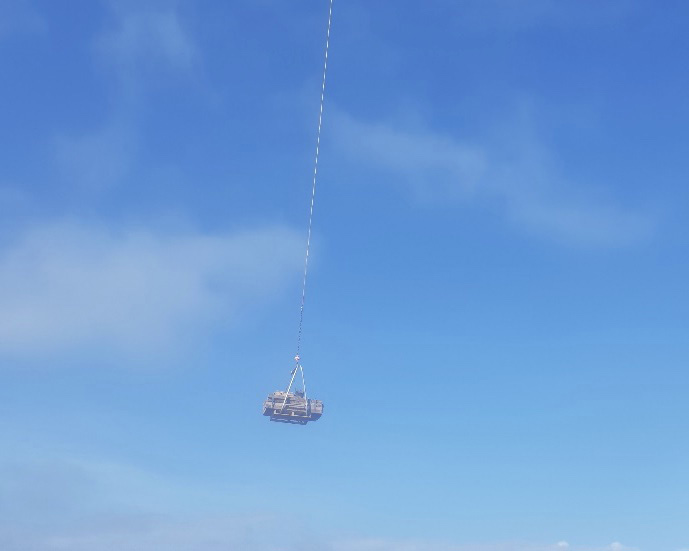
Upgrading an ageing 11kV harbourcrossing line to be future-proofed for 33kV operation — on remote island locations accessible only by helicopter or boat, with existing towers and foundations unable to support the increased loads.
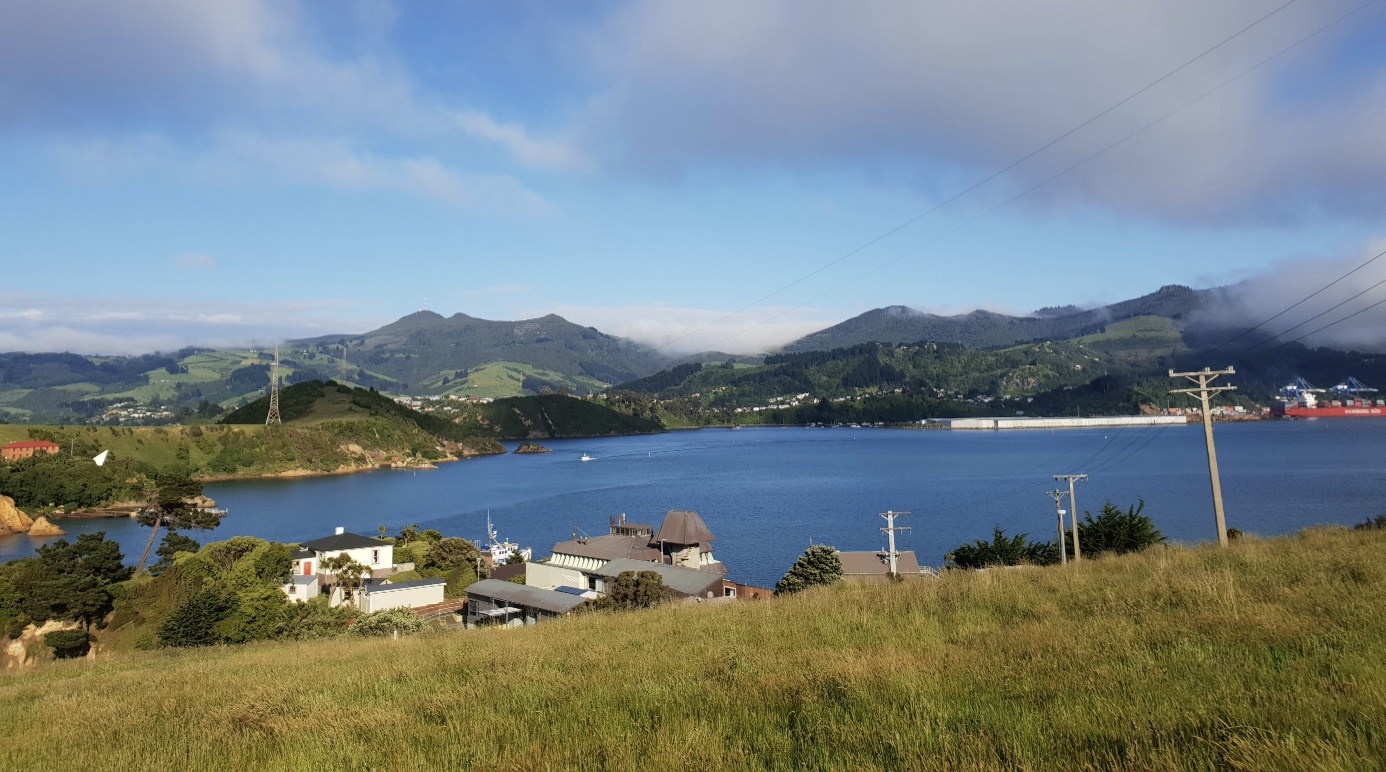
Aurora Energy identified that the conductor on the Port Chalmers 11kV line, which traverses Otago Harbour via Goat and Quarantine Islands to supply the Portobello Peninsula, was reaching end of life and needed replacement. Future-proofing the line for eventual 33kV operation added significant structural demands, but assessment of the existing 1960s-era lattice towers and foundations confirmed neither could support the increased loading without major expenditure. The remote location, with the tallest structures standing 48m tall and accessible only by helicopter or boat, made construction methodology and worker safety critical design considerations from the outset.
Groundline replaced the existing lattice towers with new steel poles and designed shallow rock anchor foundations to minimise excavation depth, construction risk, and environmental impact on Department of Conservation-managed islands.
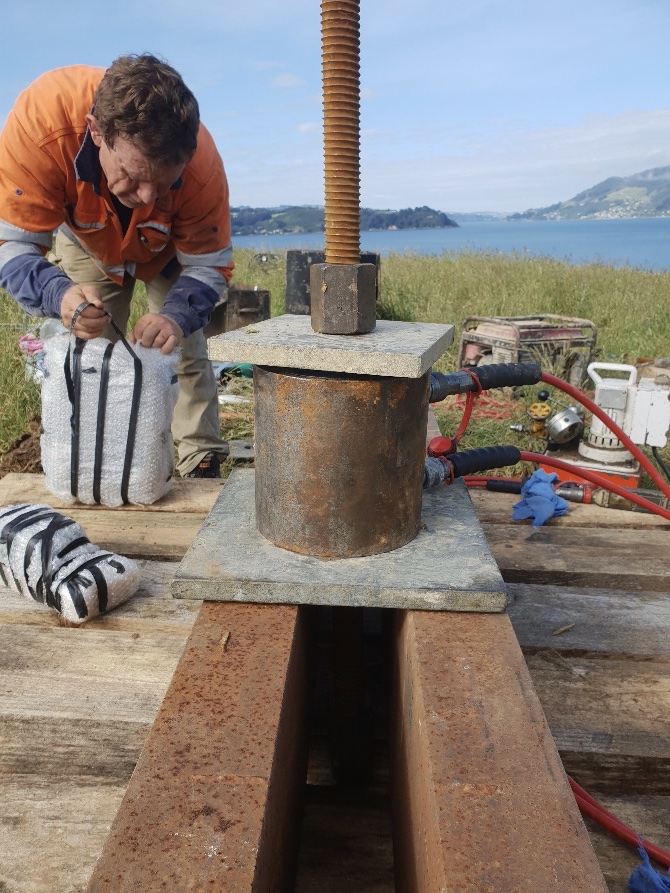
Following detailed structural analysis of the existing towers and foundations under updated loading and modern design codes, a cost-benefit assessment confirmed that replacement was more viable than strengthening. New steel poles were designed to carry the upgraded conductor and support future 33kV operation. Given the rocky outcrop terrain, shallow foundations using rock anchors were selected to reduce excavation depth, lower construction cost, and improve worker safety during installation. Groundline returned to site to work alongside a specialist contractor conducting rock sampling and anchor testing, ensuring the foundation design was grounded in verified geotechnical data.
Foundations that significantly reduced excavation, minimised environmental disturbance on protected island land, and enabled safe anchor installation while future-proofing the line for 33kV operation.
The shallow rock anchor foundation design cut construction time by reducing the volume of excavation required and the amount of spoil generated, a particularly important outcome given the islands are managed by the Department of Conservation. Workers were able to operate safely within the excavation during anchor drilling and installation, addressing the health and safety constraints inherent in such a remote and constrained environment. The project delivered a modernised, future-proofed asset for Aurora Energy while setting a strong precedent for environmentally sensitive transmission infrastructure design in remote New Zealand locations.


2/155 Blenheim Road,
Riccarton,
Christchurch 8041
1 SE Ocean Blvd
Stuart, FL 34994
Geneva Building 2,
Lake View Drive,
Nottinghamshire
NG15 0ED









Copyright ©2026 Groundline Engineering Ltd. All rights reserved
Groundline Engineering Limited | Registered Office: 2-4 Packhorse Road, Gerrards Cross, Buckinghamshire, England, SL9 7QE. | Registered in England and Wales No. 08893929 | VAT No. GB 221 4674 30.